Project Overview
- Location: Motihari, Bihar, India
- Building Type: Healthcare Facility
- Client: Rahmania Medical Centre
- Project Status: Ongoing (Multiple Components Completed)
- Design Scope: Master Planning, Architecture, Interior Design, Landscaping, Façade Design, Hospital Planning, Café Design, Gate & Boundary Development, BIM Integration
Get a Free Quote
Rahmania Medical Centre (RMC) – Motihari, Bihar
A multi-scope healthcare campus designed with modern architecture, efficient clinical planning, soothing interiors, and meaningful recreational spaces—all crafted to strengthen Rahmania Medical Centre’s identity and user experience.
Project Summary
The Rahmania Medical Centre campus development integrates modern architecture, human-centric interiors, efficient clinical planning, and refreshing recreational spaces. Our multidisciplinary involvement spans the reception building, diagnostic tower, administrative interiors, café design, campus entry development, and rooftop environments. Every component is planned with a clear intention to elevate user comfort, enhance hospital workflows, and establish a unified and premium campus identity.
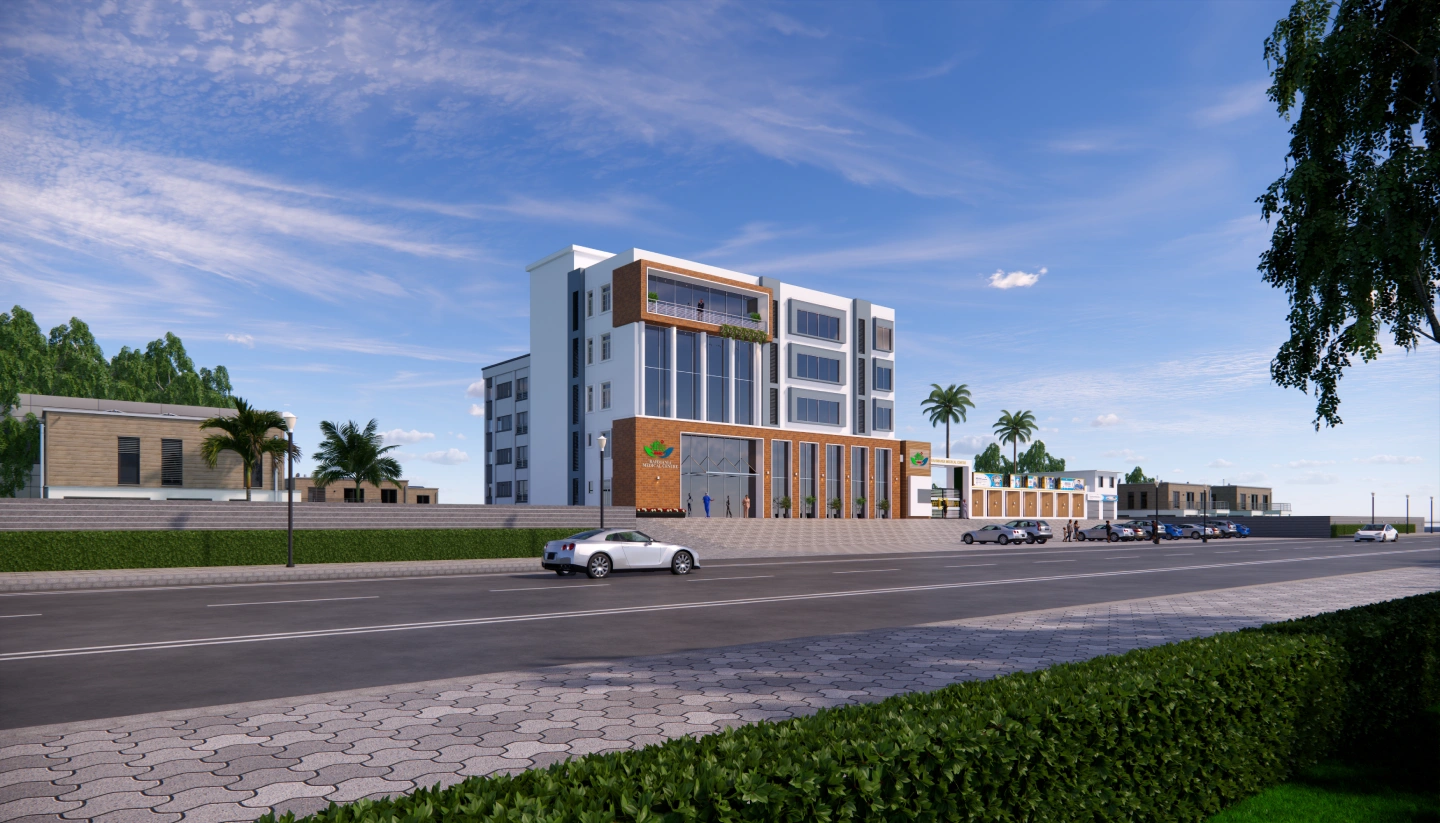
1. Reception Building (Completed)
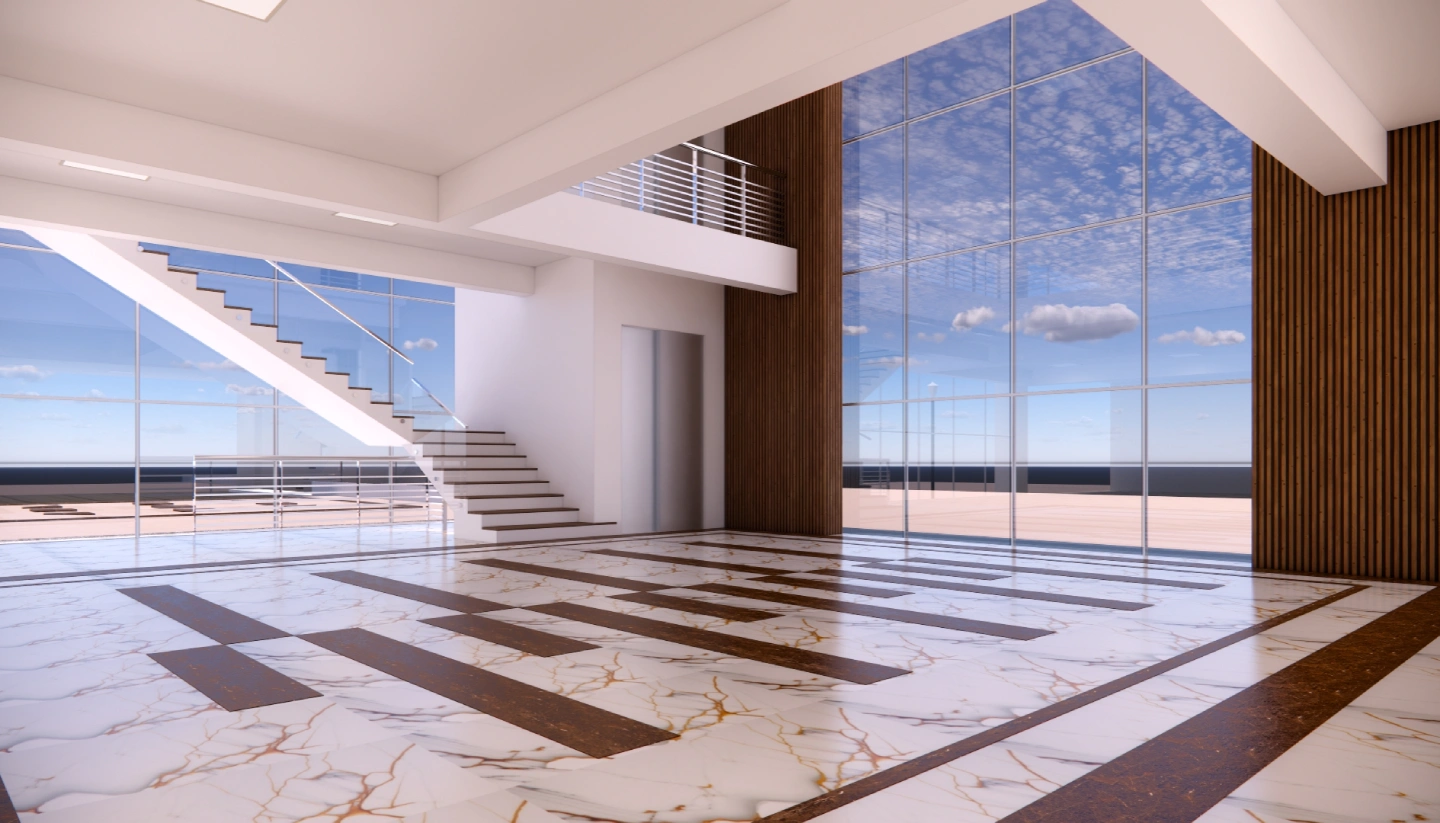
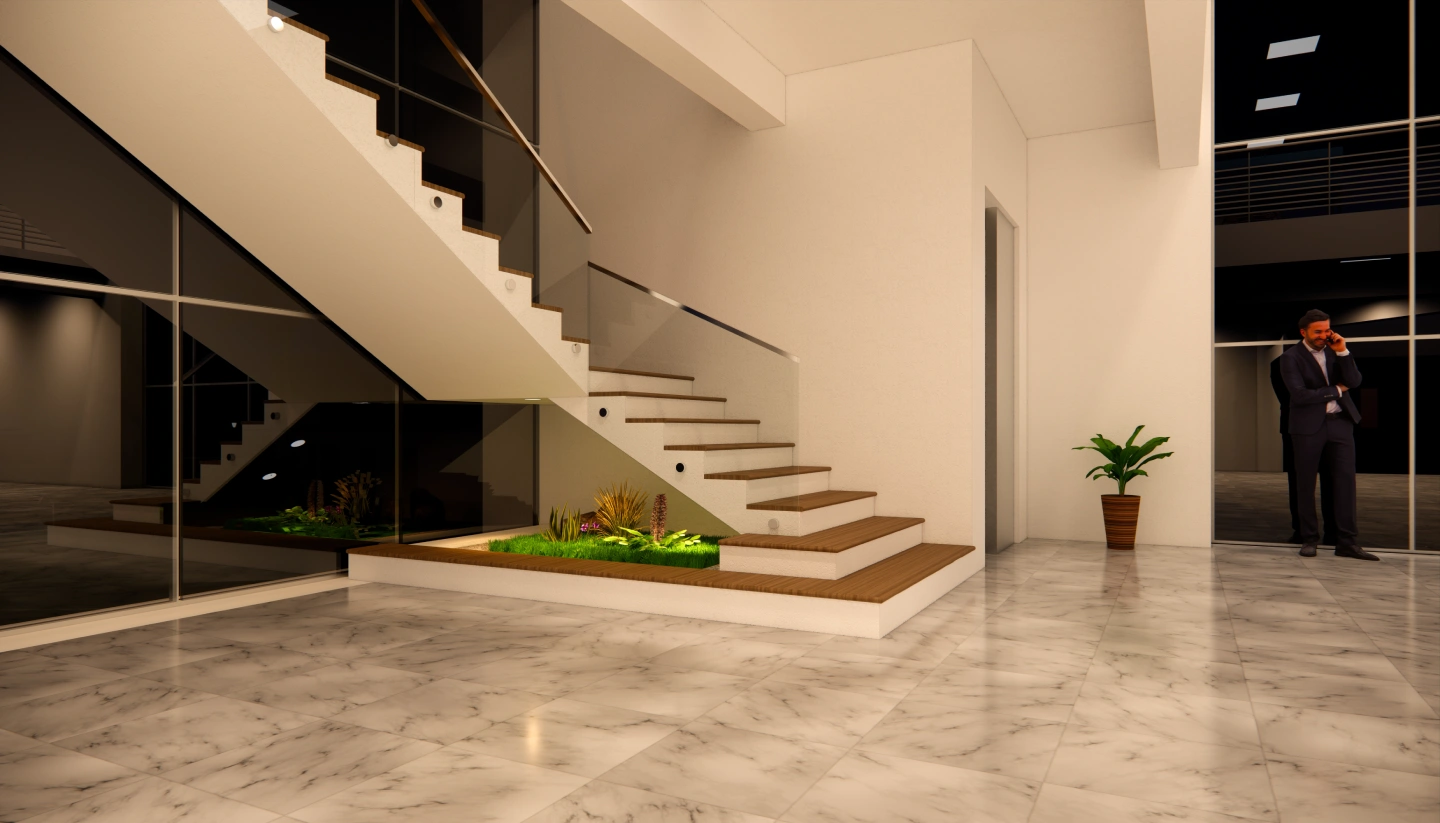
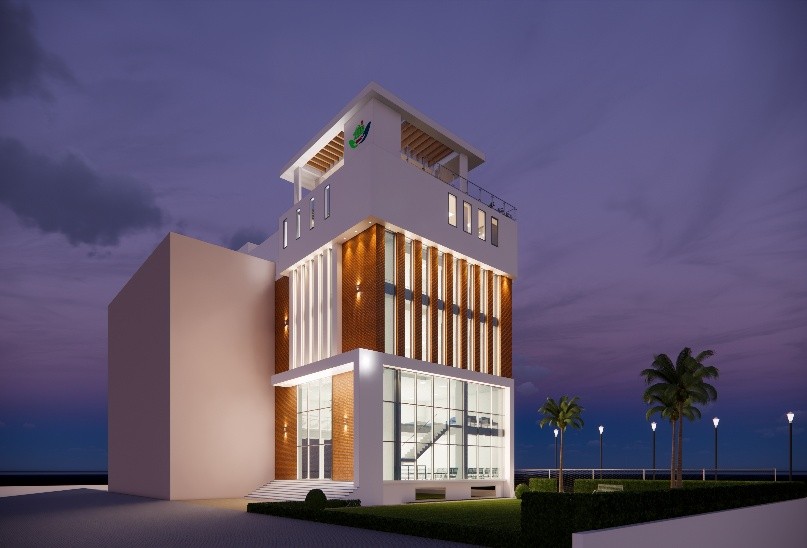
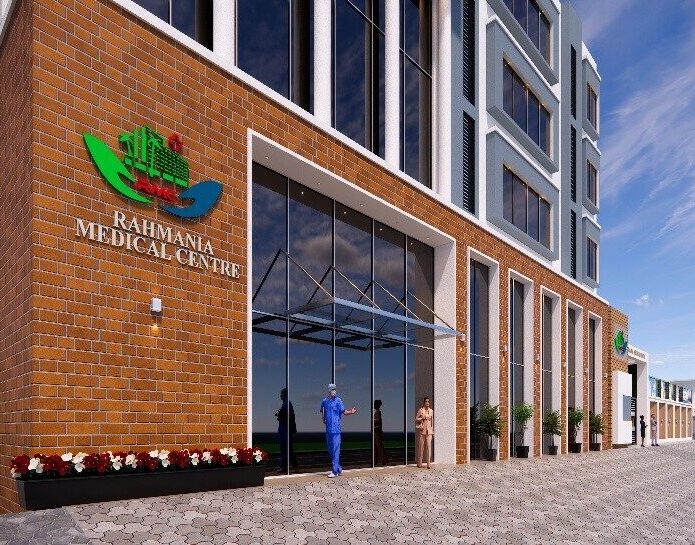
Internally, the building accommodates a range of medical and support functions, including OPD rooms, diagnostic areas, vaccination rooms, NICU, general wards, labor room, pre-operation and post-operation areas, operation theatres, doctors’ seating, waiting/reception zones, and cafeteria facilities. The circulation spine is supported by multiple lifts and well-placed staircases to ensure easy vertical movement across all levels.
2. Proposed G+5 Laboratory Building
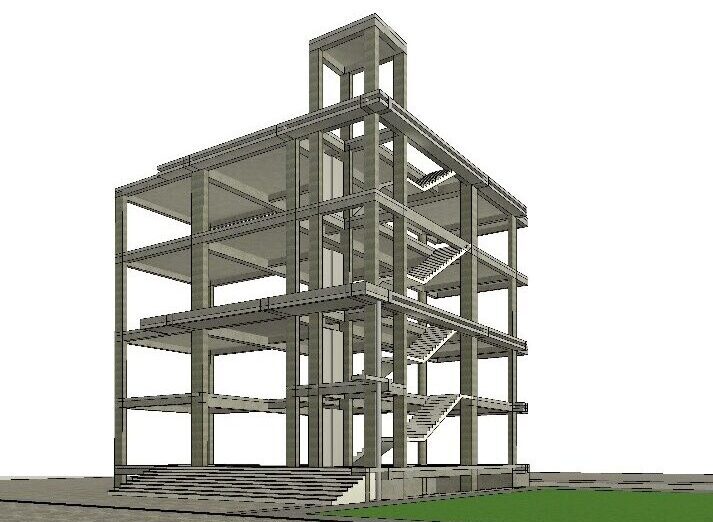
The diagnostic block has been envisioned as a G+5 multi-department facility housing CT Scan, X-Ray, DEXA, Ultrasound, console rooms, and pathology labs. Its planning separates sterile and non-sterile circulation, safeguarding medical protocols while improving staff and patient movement. Special consideration was given to linking the new building with the old hospital structurally and functionally, ensuring that the medical centre’s existing operations flow seamlessly into the expanded diagnostic zone.
3. Administration Interior Design
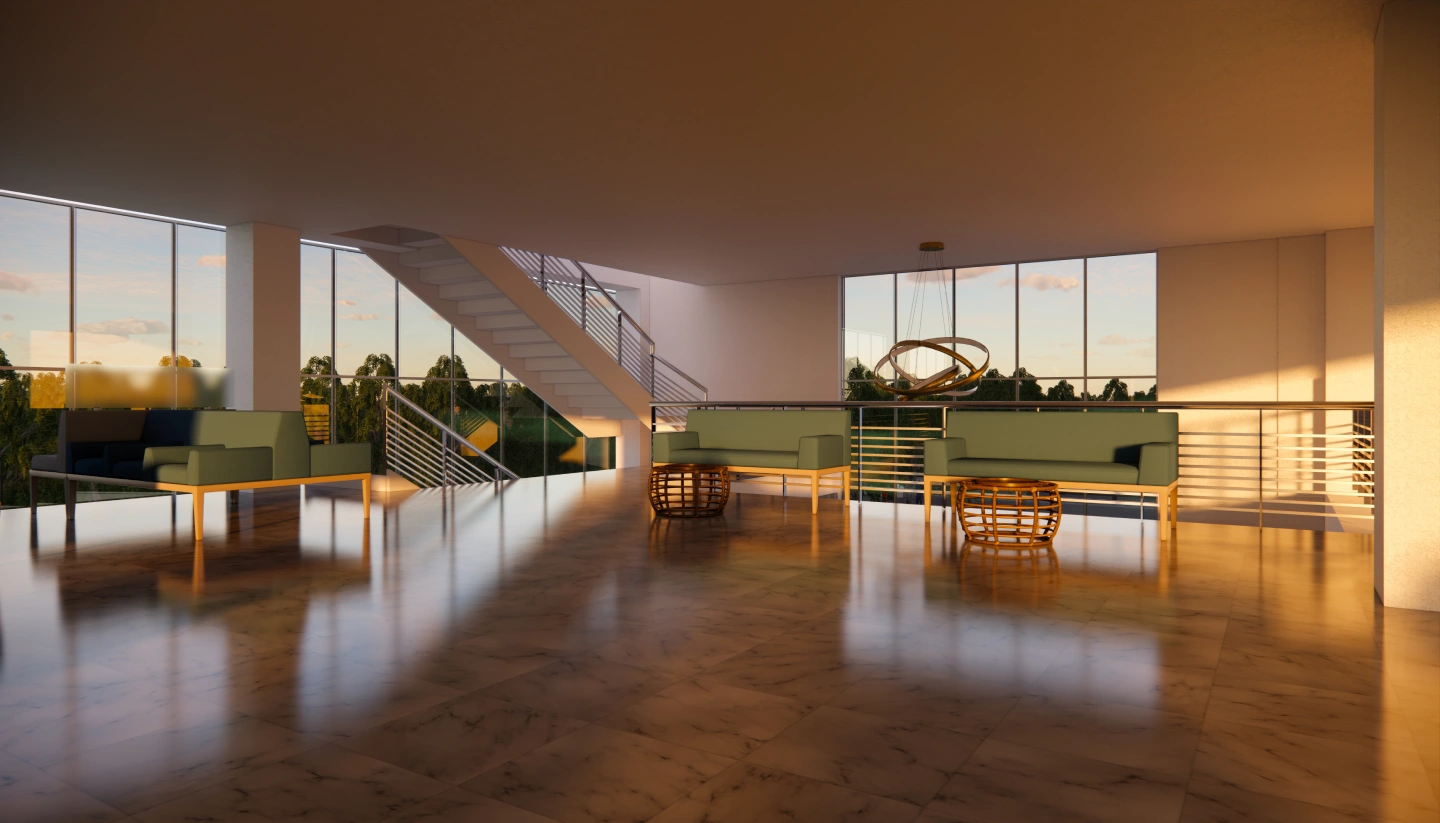
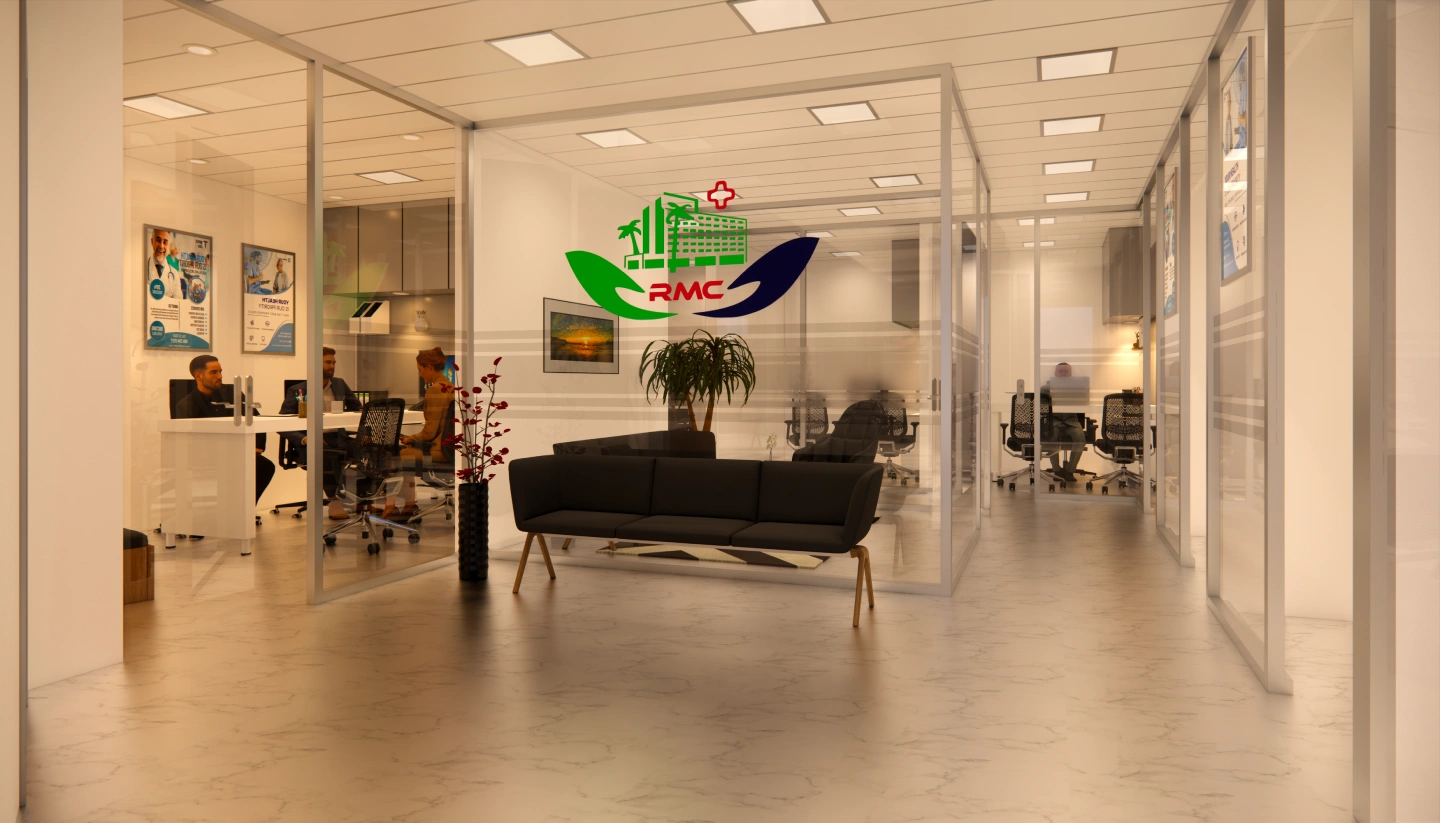
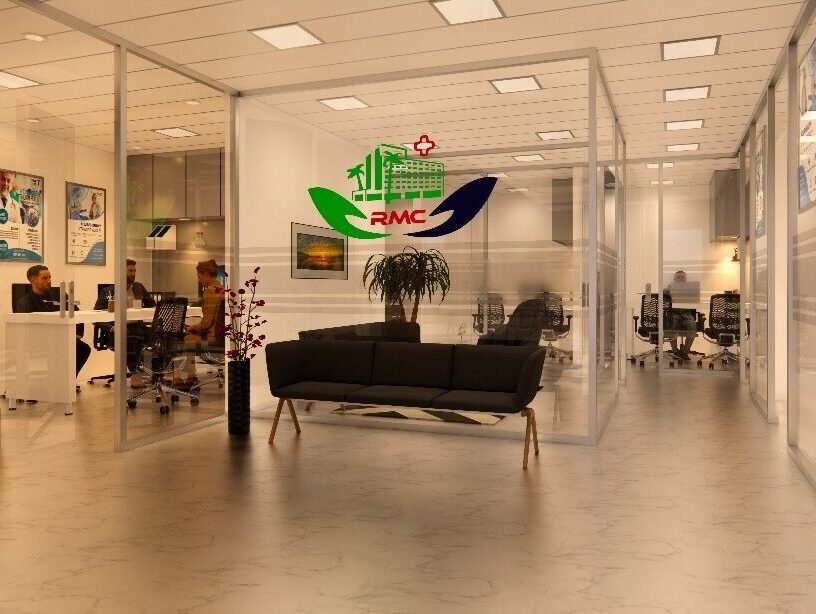
The administration block interior is crafted to support operational efficiency, calm decision-making, and productive workflow. Transparent glass partitions maintain visual openness, while warm textures add comfort without compromising formality. The layout supports structured communication between administrative teams, creating a disciplined and professional working environment that enhances both daily coordination and overall hospital management.
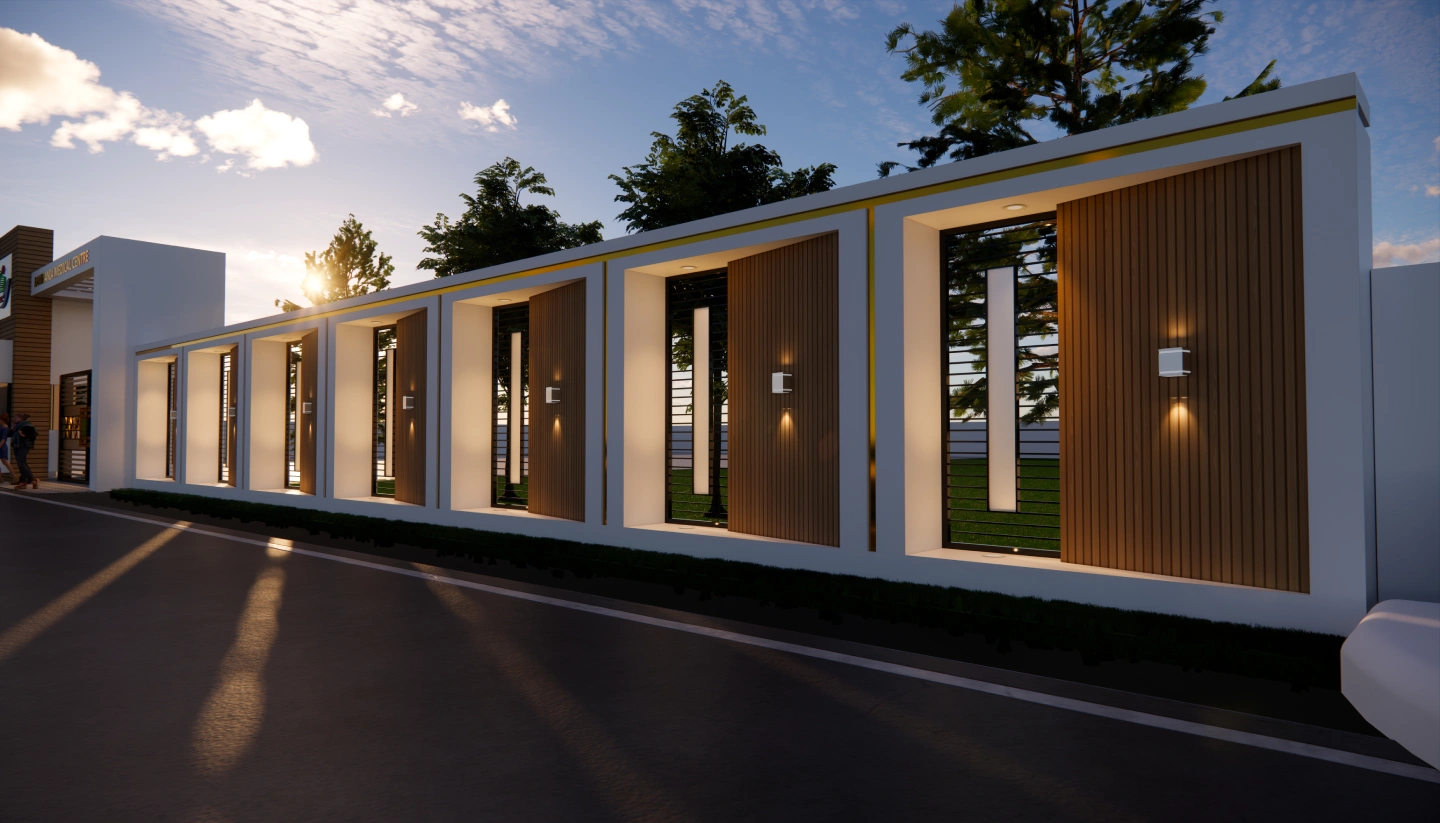
4. Gate Design & Boundary Wall (Completed)
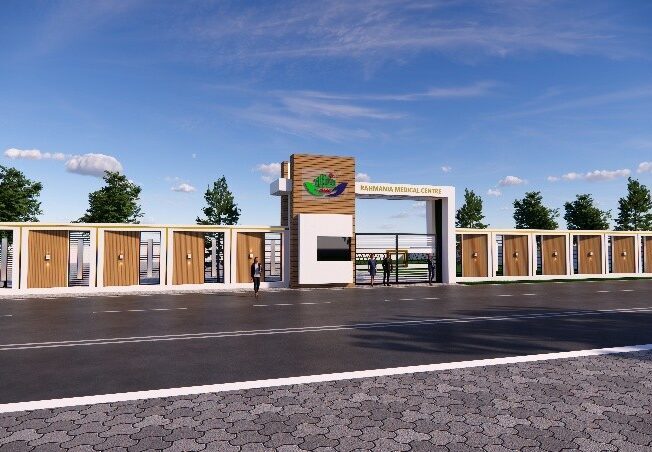
The completed gate and boundary wall redefine the campus edge with a strong architectural identity. The entrance structure balances minimal form with clear branding, making the medical centre instantly recognizable. Integrated lighting, clean vertical modules, and controlled material selection contribute to a secure, elegant, and well-organized campus frontage, reinforcing trust and visual appeal for patients and visitors.
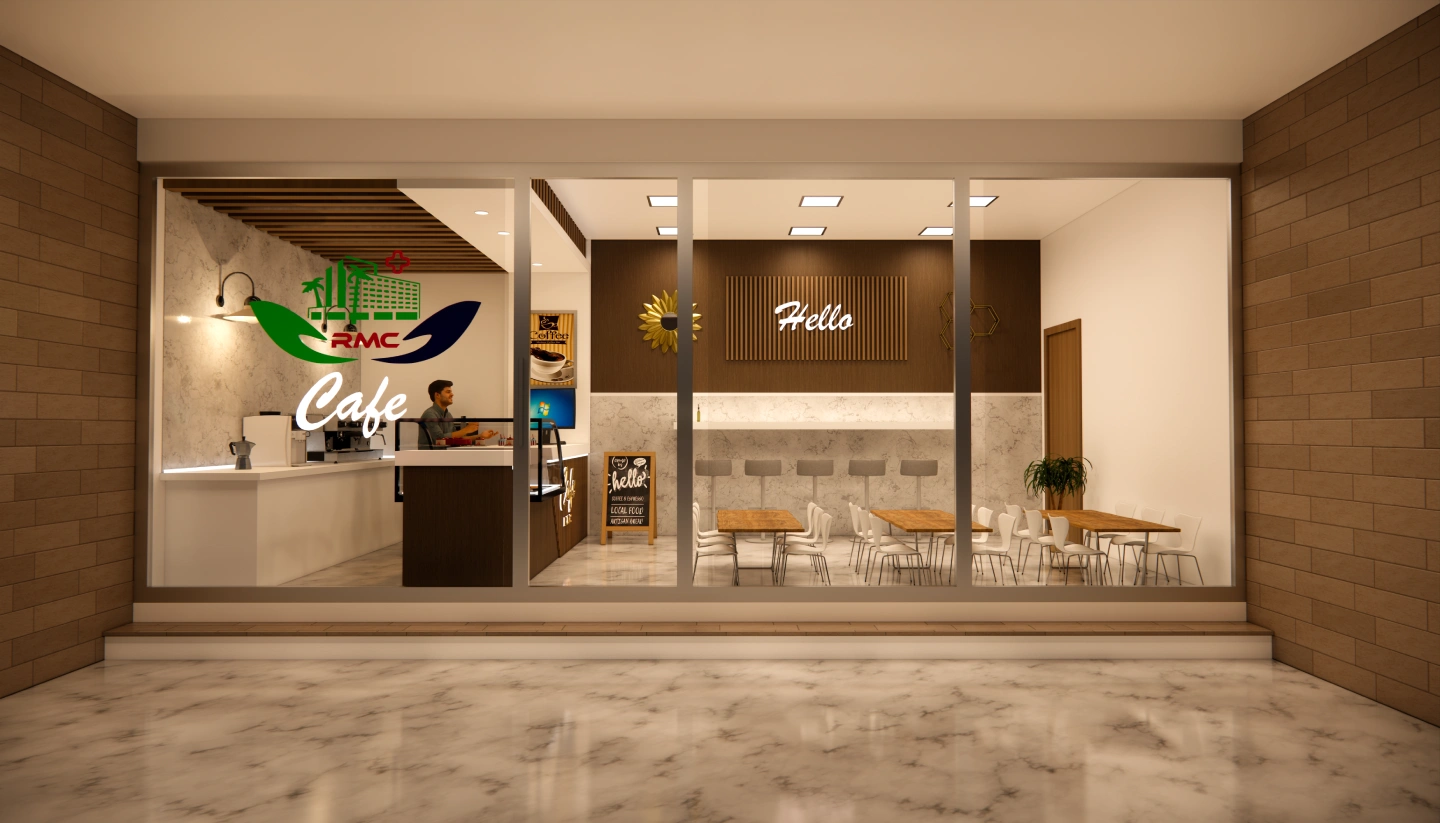
5. RMC Cafe – Interior Design
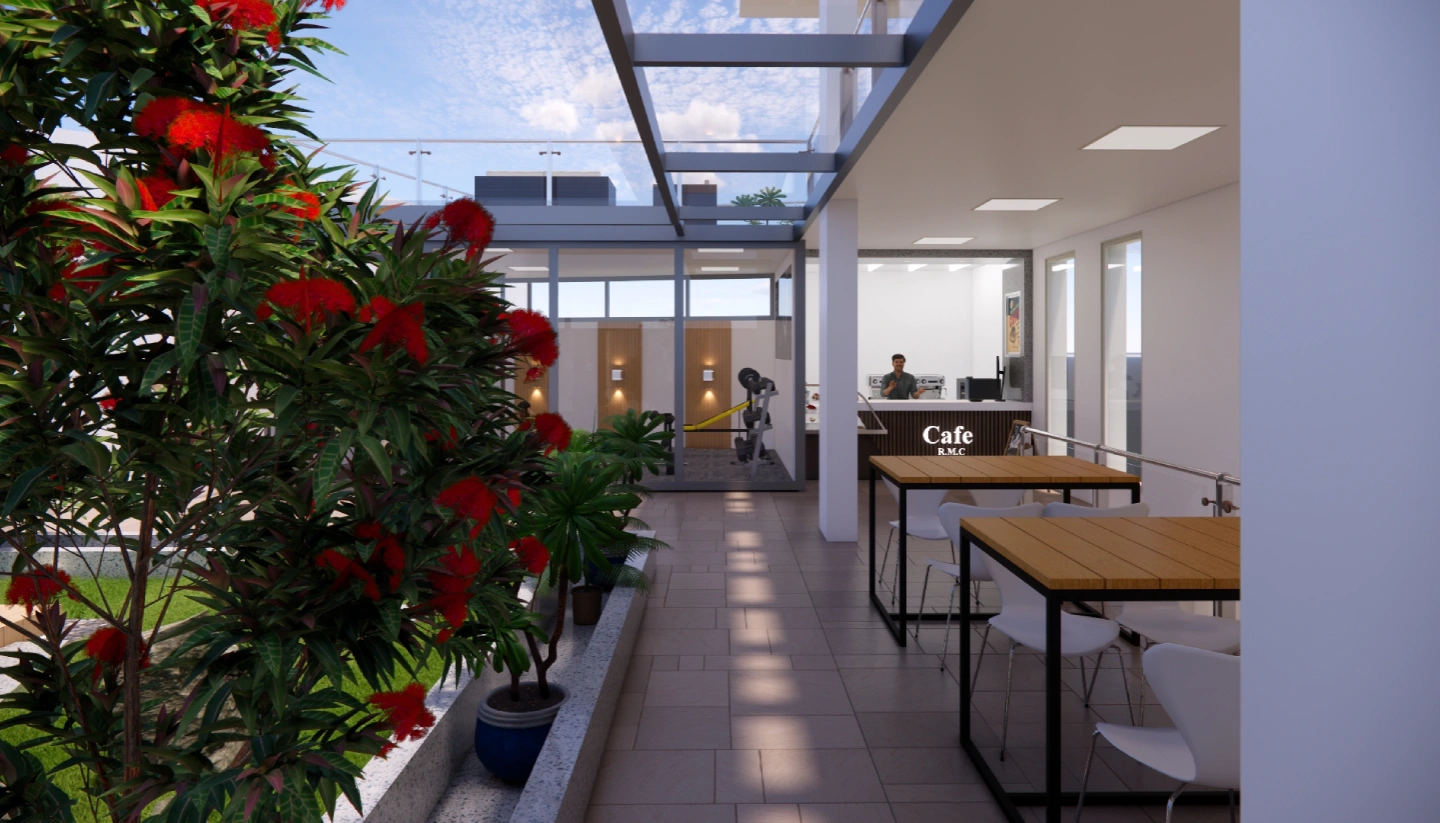
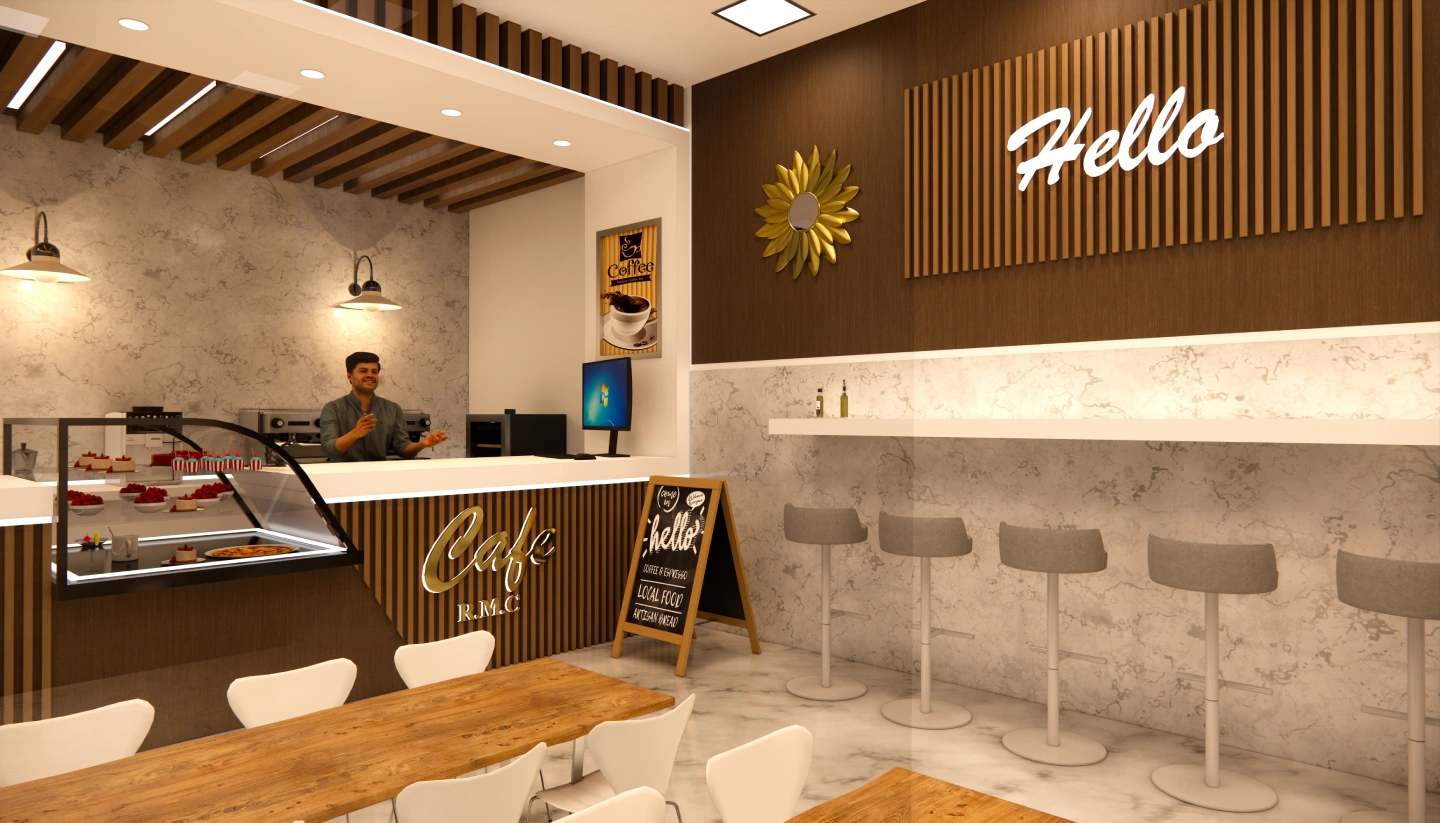
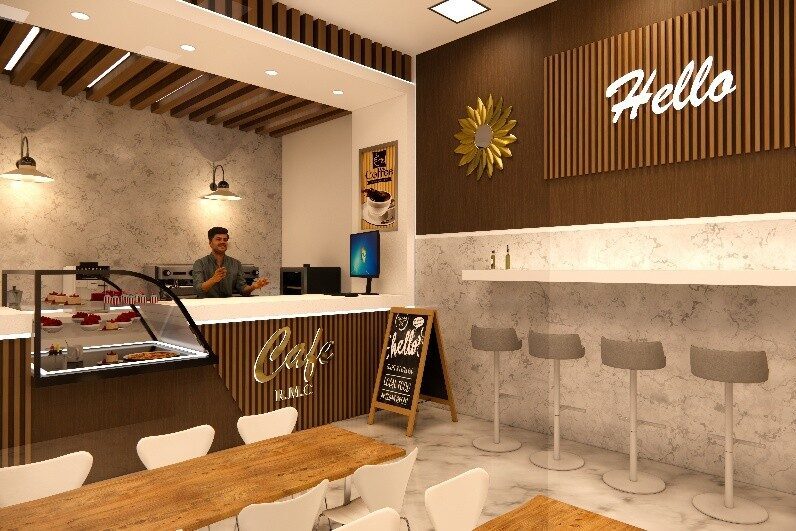
The RMC Cafe adds a warm social transition within the medical campus. The design features a refined blend of wood textures, marble surfaces, ambient light, and modern seating. It creates a relaxing yet functional space for families, visitors, and staff. The café workflow is optimized for service efficiency, while the interior styling maintains a sense of hospitality, comfort, and modernity rarely found inside conventional healthcare environments.
6. Rooftop Garden & Fitness Deck
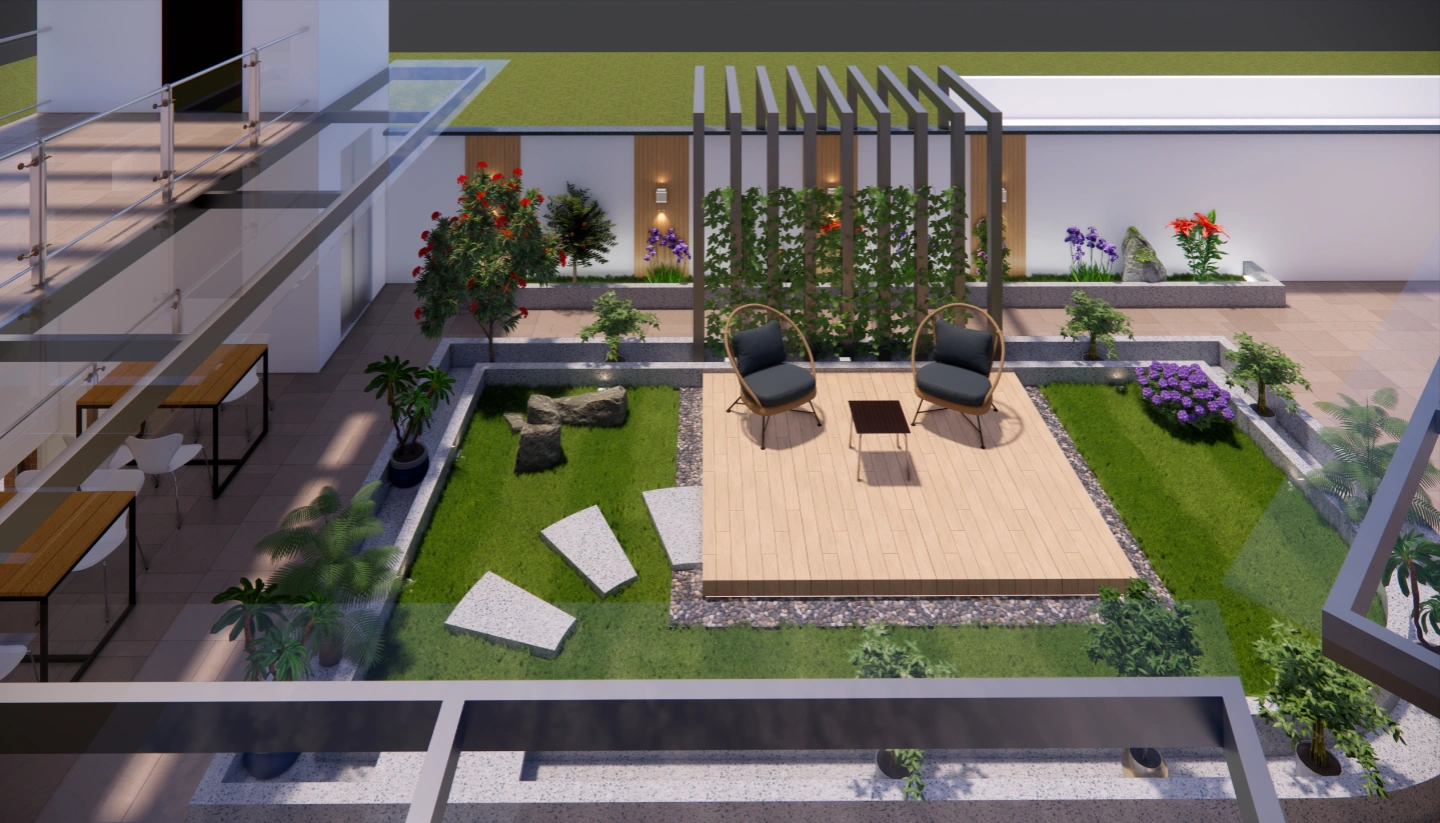
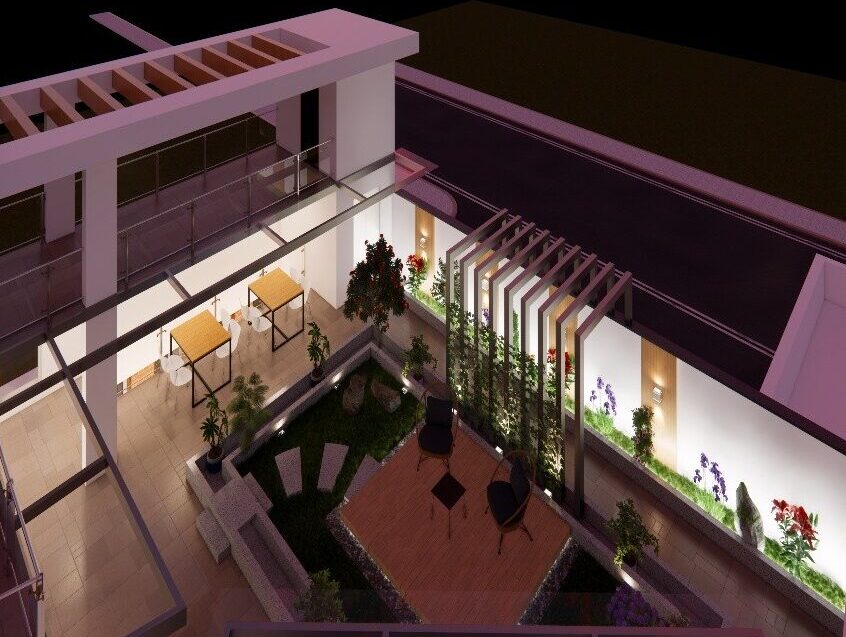
The rooftop garden offers a peaceful escape from the clinical environment. With its landscaped green pockets, wooden deck, curated seating, vertical green screens, and soft lighting, the space promotes relaxation, mindfulness, and emotional ease. This elevated courtyard is complemented by a compact yet effective fitness deck, providing users with a dedicated wellness space. Together, they represent the hospital’s commitment to holistic healing by blending nature, recreation, and health.
7. BIM Integration Across the Project
BIM has been integral to every stage of this multi-building development. Through coordinated 3D models, clash detection, quantity validation, and workflow simulation, the design team-maintained precision and clarity across architectural, structural, and hospital planning disciplines. This ensured smoother site execution, reduced errors, and enabled the institution to visualize future expansions with confidence.